

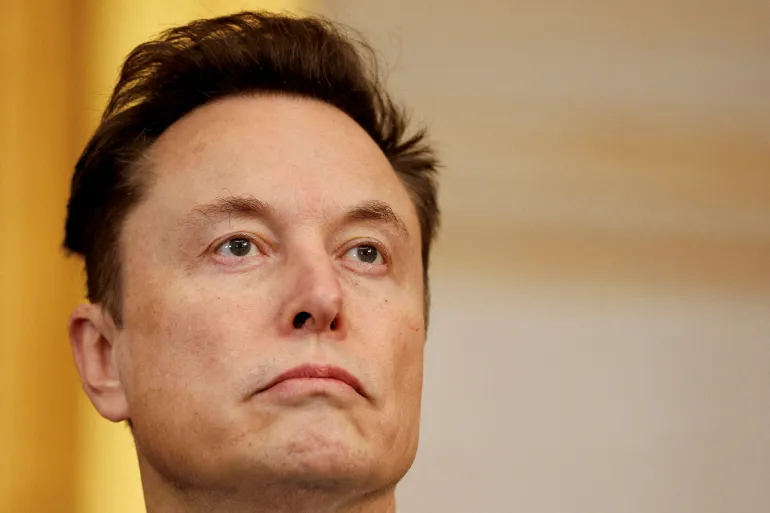
The governing board for the electric carmaker Tesla has put forward a pay package for CEO Elon Musk that could make him the world’s first trillionaire — but only if he meets a series of high-performance standards over the next 10 years.
The proposal became public on Friday, as part of the company’s regulatory filings.
Musk is already considered one of the world’s wealthiest businessmen, and one of his eye-popping pay packages from 2018 continues to be the subject of a legal battle.
But if approved, the latest proposal would likely be the largest corporate pay package in United States history.
Tesla shareholders will vote on the compensation scheme on November 6. The regulatory filing indicated that the plan had already undergone a review from a committee of independent directors.
“This is a ridiculously large pay package. It raises lots of questions,” Brian Quinn, a professor at Boston College Law School, told the news agency Reuters.
Quinn added he had little doubt about how the shareholders will vote.
“Given that Tesla’s stock price is basically all vibes and appears to have very little to do with the automaker’s actual performance, I suspect they will approve this package.”
In the regulatory filing, Tesla leaders indicated that they felt Musk deserved the higher compensation range, despite the carmaker’s recent wobbles on Wall Street.
“Traditional compensation packages granted to executives at other companies were determined to not be appropriate for designing Mr. Musk’s incentive compensation,” the filing explained.
What are the terms?
To earn the trillion-dollar pay package, Musk would have meet ambitious benchmarks for Tesla, reversing its drooping sales and increasing its total value and car production over the next decade.
In the short term, Musk would have to boost Tesla’s valuation to $2 trillion. By the end of the plan, Tesla would have to reach a value target of $8.6 trillion.
Currently, the company is worth about $1.03 trillion — roughly the same amount as the proposed compensation package.
By the end of the 10-year term, Tesla would have also had to deliver 20 million vehicles in total. Last year, the company delivered just under 2 million vehicles.
Other benchmarks include putting a million self-driving robotaxis in operation and delivering one million artificial intelligence (AI) bots.
As part of the 10-year plan, Musk would also have to develop a long-term “framework” to name a successor as Tesla’s CEO.
All of Musk’s compensation in the proposed pay package would come in the form of Tesla shares, given based on performance metrics. He would receive no salary or cash bonuses.
Musk would have to stay with the company for at least seven and a half years to cash out any of the shares he earns. If he stays until 2035, for the full 10 years, he would be eligible for the full amount.
Currently, Musk holds about 13 percent of Tesla’s shares. The plan puts an additional 12 percent in his reach. That would give him greater power in shareholder meetings.
Legal scrutiny over compensation
This is not the first time Tesla has sought to compensate Musk handsomely for his leadership at the car company.
In 2018, Tesla unveiled a similar 10-year plan, slated to give Musk nearly $55.8bn at the time in stocks and other awards.
That pay scheme has been tied up in litigation, however, after a stockholder challenged the amount in a Delaware court. Twice, that compensation package was struck down over concerns that it was unfairly negotiated, with Musk allegedly putting his finger on the scale.
Tesla has appealed the decisions to the Delaware Supreme Court, and in June 2024, company shareholders voted to reinstate the pay package.
Its board also approved an interim compensation package for Musk this year worth about $29bn in stock, on the condition he remains as CEO until 2030.
Last year, Tesla also moved its business incorporation from Delaware to Texas, in a move speculated to help avoid further legal hurdles.

