

Kathmandu – Nepal has witnessed unprecedented political and security turmoil in recent days, as mass protests led by the so-called “Gen Z” youth erupted against widespread corruption in state institutions and the government’s decision to ban social media platforms. The demonstrations quickly escalated into violent clashes with security forces, leaving more than fifty people dead and hundreds injured, according to official figures — a scene that has shaken the nation and sparked widespread international concern.
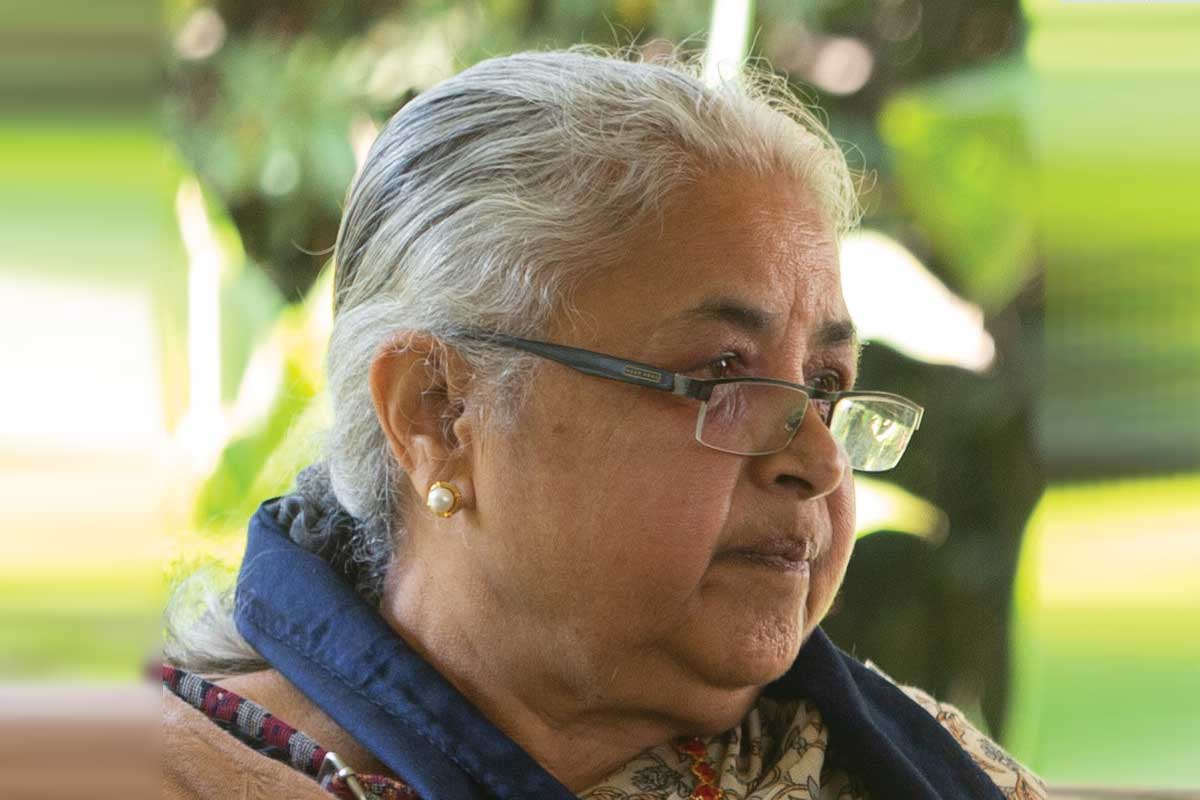
Under mounting public pressure and a rapidly worsening crisis, Prime Minister K. P. Sharma Oli announced his resignation, while authorities lifted the social media ban that had initially triggered the protests. In what has been described as a historic move, Nepal’s presidency appointed former Chief Justice and legal scholar Sushila Karki as interim Prime Minister, making her the first woman ever to hold the post in the country’s history.
The president also dissolved parliament and called for early general elections scheduled for March 5, 2026, in a bid to restore stability and political legitimacy through the ballot box. Analysts believe this development could mark the beginning of a new era in Nepalese politics, particularly with greater participation of women and youth in shaping the nation’s future.

